

What’s here ⤵️
🧊 My first of two dispatches from Alaska, which I recently visited while on vacation. Before you go thinking I worked while on vacation, I didn’t! Stories on energy and climate naturally abound in this awe-inspiring state.
🏭 My latest in Axios: Trump moves to ease environmental rules for data centers (excerpt below).
🍎 Here’s where you can find me during New York Climate Week.
📸 Homer, AK: The Halibut Fishing Eating Capital of the World
Alaska seeks oil revival while grappling with a warming future
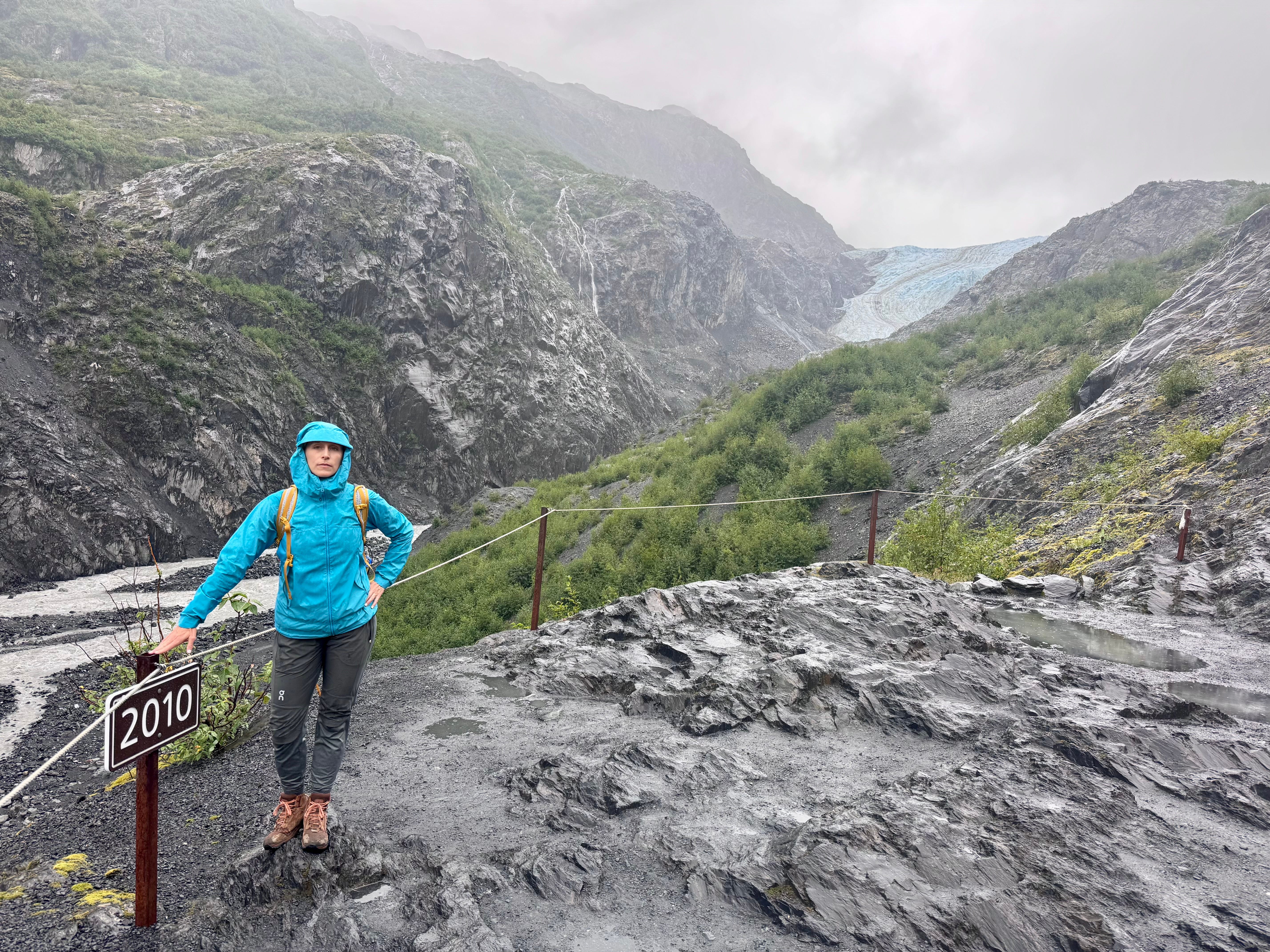
EXIT GLACIER, Alaska — America’s 49th state is a study in contrasts: Rapidly melting glaciers like this one attract tourists, while the oil industry underpinning its economy is getting a fresh boost from Washington after decades of decline.
Why it matters: Few places put the causes and consequences of global warming in such proximity, making Alaska a vivid window into the world’s reliance on fossil fuels as climate impacts mount.
Read the full story in Axios.
Driving the news: “Alaska is a powerhouse,” Energy Secretary Chris Wright said recently in Anchorage at the state oil and gas trade group’s annual conference, according to Alaska News Source.
“I think you could have an incredible several years, several decades coming with just some common sense policies to set Alaskans free.”
State of play: Alaska has emerged as perhaps the Trump administration’s biggest geographic focus for expanding U.S. oil and gas development, with the government pushing new leasing, easier permitting, Arctic drilling and a massive natural gas pipeline.
A major new North Slope oil field started producing in May, and another is expected to begin producing in 2029.
Lisa Murkowski (R-Alaska) told Axios this moment is a “second wind” for the state’s oil industry.
The big picture: No offense to Texas, but everything is actually bigger in Alaska.
It’s more than double the size of Texas and has more coastline than all other states combined.
It ranks near the top for both proven oil and gas reserves in the nation, and it has the largest icefield wholly contained in the U.S., the Harding Icefield, which feeds Exit Glacier.
Reality check: Alaska’s heyday as a top oil powerhouse is likely behind it. Its oil production has been declining since the late 1980s, and projects underway aren’t expected to restore anything close to that.
Friction point: Some of Washington’s efforts are facing hurdles.
The Interior Department’s June lease sale in the Arctic National Wildlife Refuge, a vast wilderness home to polar bears, caribou and hundreds of bird species, generated little industry interest. A separate sale for new drilling in Cook Inlet near Anchorage received zero bids.
An Interior Department spokesperson described the wildlife refuge auction as “a success for this frontier area,” and pointed to a record-breaking March lease sale elsewhere in Alaska’s North Slope.
Zoom in: The roughly $50 billion effort to pipe natural gas 800 miles from the North Slope to the Kenai Peninsula for export to Asian markets is struggling to move forward.
Wright called it his “number one” energy infrastructure priority earlier this year.
But last week, he said: “I’m disappointed that I’m sitting here right now and we’re not talking about shovels in the ground,” Alaska News reported.
Jason Bordoff, founding director of Columbia University’s Center on Global Energy Policy, who recently visited Alaska’s northernmost regions, called the economics of the project “terrible.”
Inside the room: Or more aptly: next to the glacier. Signs along the hiking trail at Exit Glacier tell visitors how much this glacier has retreated dating back to the late 1880s; the most recent sign is from 2010.
Its retreat has accelerated in recent decades due to human-caused warming, according to Albin Wells, who researches the topic at the University of Zurich.
The seven glaciers near the ski town of Girdwood are all likely to vanish or be vastly reduced within 75 years, Wells said.
One of our guides near Girdwood, describing how dramatically the glaciers had changed during his lifetime, said he avoids the term “climate change” because of its polarizing politics.
Between the lines: The changes go far beyond glaciers: Thawing permafrost and disappearing sea ice are destabilizing land and accelerating erosion along parts of Alaska’s coast.
Follow the money: One of the nation’s fastest-warming states remains deeply reliant on oil and gas.
Decades of oil wealth helped build the Alaska Permanent Fund, which now provides more unrestricted state revenue than current oil and gas revenues do — as well as an annual dividend for residents.
“Local communities that are building a sea wall in Utqiagvik to try to keep the water increase at bay” are also heavily financially reliant on oil and gas revenue, Bordoff said, referring to his recent visit to America’s northernmost town.
What we’re watching: With energy security demanding attention amid the ongoing Iran war, climate change may be on the back burner, Bordoff said, “but it is going to come back in a nonlinear way because of the impacts we’re seeing.”
Trump moves to ease environmental rules for data centers
The Trump administration is reshaping regulations to make data centers — and the fossil-fuel power fueling them — easier to build. Critics say the changes could increase pollution and reduce public input.
Why it matters: The moves risk inflaming an already fierce and bipartisan backlash to data centers, the backbone of the AI boom.
Driving the news: The Environmental Protection Agency is considering a rule that could treat some temporary gas turbines as mobile equipment rather than stationary pollution sources, potentially making them easier to permit, according to the Natural Resources Defense Council’s John Walke.
“We have been told by senior people at EPA that there is a pants-on-fire, hasty rulemaking proposal underway,” said Walke, director of NRDC’s federal clean air program. “It’s being driven squarely by concern for data centers.”
The intrigue: EPA laid groundwork for such a move in a January rule, saying treating portable turbines as mobile equipment could reduce permitting burdens.
The agency created a conditional exclusion that would kick in if it later adopts “nonroad” standards for portable turbines.
EPA also acknowledged concerns about the air-quality effects of operating many temporary turbines in one place.
An EPA spokesperson referred Axios to the January rule when asked about the possible new rulemaking.
State of play: This possible rule is on top of at least three others EPA has proposed or developed in the last year to ease permitting procedures or environmental regulations for AI infrastructure.
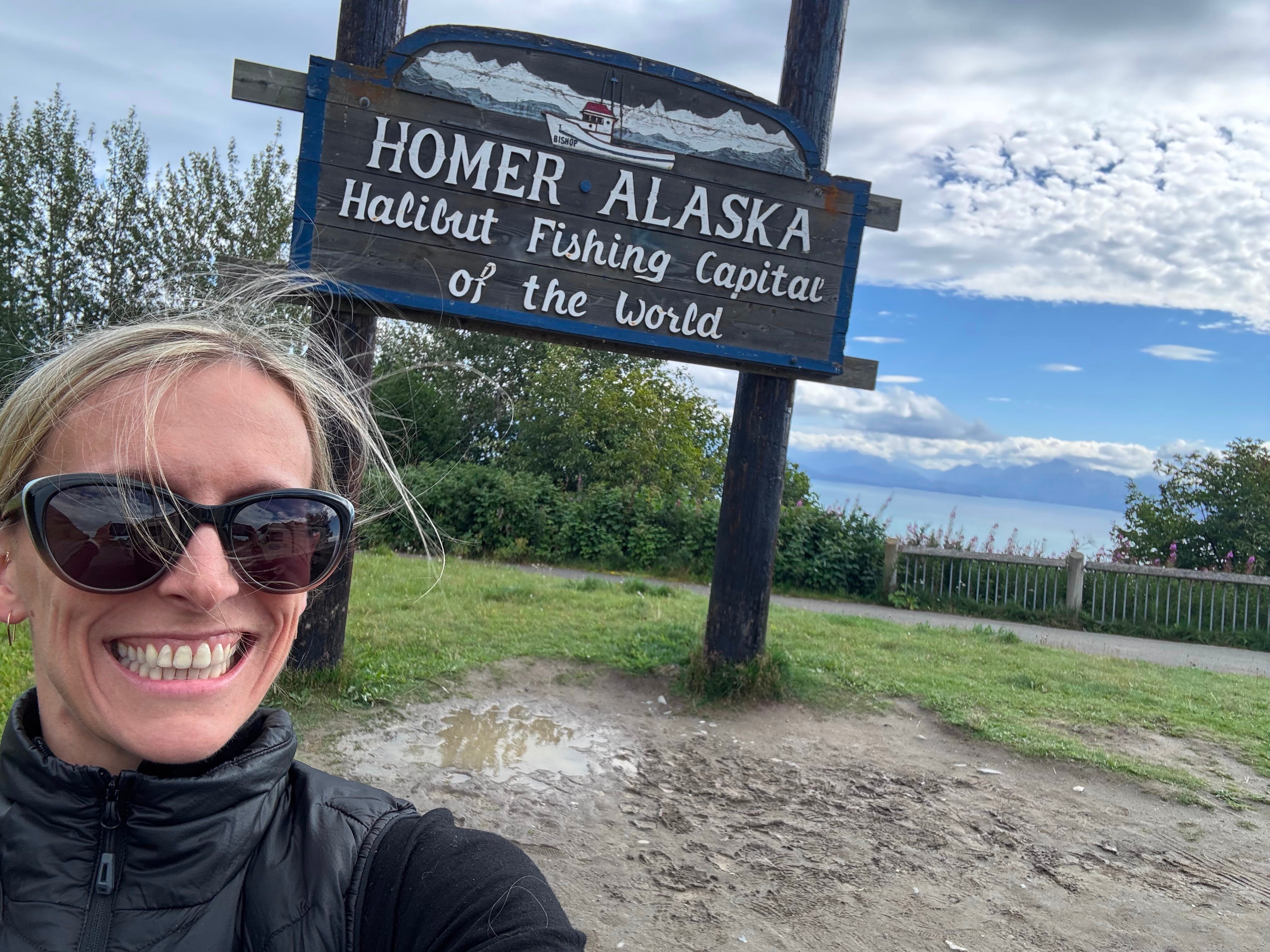
Although we didn’t fish for halibut while in Homer, I did my best to eat it in as many ways as possible while in Alaska, including:
Baked (duh)…cakes (like crab, but halibut)…Bucket of Butts, famous at Seward’s Flamingo Lounge (like chicken nuggets, but halibut)…halibut cheeks (an Alaskan delicacy, I learned)…halibut chowder…tacos…sashimi…ceviche…and fried fish and chips (duh).
My favorite? The Bucket of Butts with the house-made tartar sauce!