What’s in here ⤵️
Trying to bottle up life and its lessons: A personal take on learning from loss
Geothermal finds rare political sweet spot amid AI boom: My latest big picture take on an emerging tech
Patagonia CEO takes aim at political apathy: Inside the thinking of an aggressive corporate leader
Data centers face a sweeping new power regime: The Senate permitting bill is sneaky aggressive on the AI industry
Energy prices loom large in key Senate, House races: Catch up fast before the midterms
Renewables boom faces Trump-era cliff: An exclusive interview with renewables leader
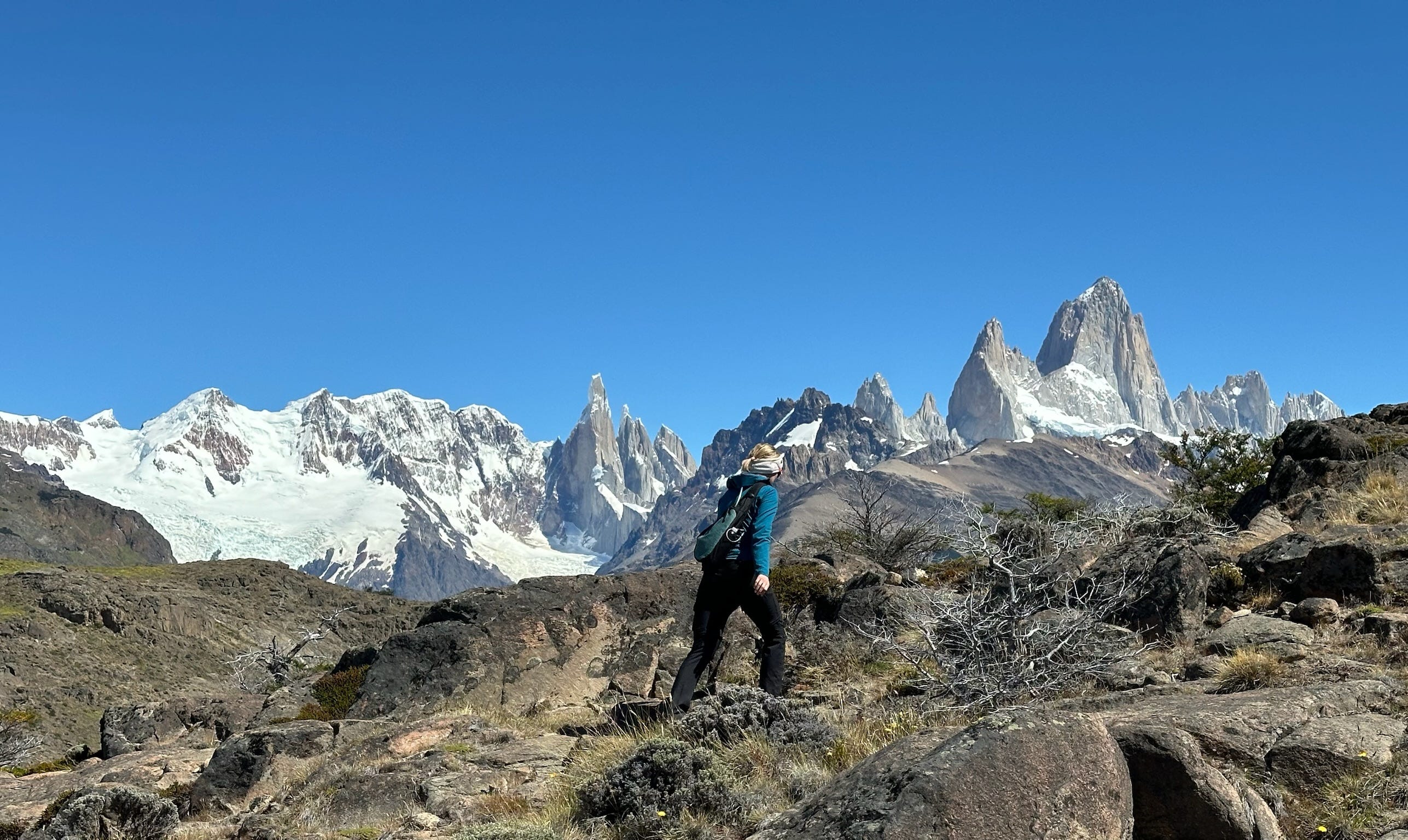
📸 Speaking of Patagonia, here’s a flashback to an epic trip to the real Patagonia in 2024.
Trying to bottle up life and its lessons
Death has a way of teaching us about living — if only life wouldn’t get in the way.
Why it matters: Losing someone can bring sudden clarity to what actually matters. But making that change in perspective stick is hard.
My mother-in-law recently passed away, and almost immediately I wanted to bottle up everything our relationship and her death taught me.
These lessons — like making time for what matters, saying how you feel while you have the chance and taking more videos — are so obvious that they’re easy to ignore until death makes them impossible to.
The big picture: Death brings the fragility of life into sharp focus.
I suddenly wanted to hug everyone in my family as tightly as possible and somehow make all of us understand, right now, that we need to ensure we’re making the most of our time together.
Reality check: Intellectually understanding that life is finite doesn’t mean we can permanently feel the urgency of that fact. Yes, there’s a temporary bump in togetherness, but then something maddening happens: Life goes on.
Jobs consume most of our waking hours during the week.
Trips and other life obligations compete for our time.
Sometimes we’re simply tired and want to watch dumb TV shows.
The profound realization that life is short somehow has to coexist with needing to unload the dishwasher.
What I’m learning: Maybe I can’t bottle up that feeling of urgency forever. But I don’t have to preserve it at full strength for the experience to change me.
I want more videos and audio recordings of the people I love, particularly parents who may come second or third on the camera roll after children and pets. I recently asked my mother to leave me a happy birthday voice message. Now I’ll have it forever.
I want to keep showing up for the big moments while appreciating more of the utterly unremarkable ones: a grocery store trip, a random lunch, a phone conversation about nothing.
Yes, but: I want to be kinder to myself about the moments I will inevitably miss.
I’ve caught myself regretting time I didn’t spend with loved ones, but I can’t possibly be everywhere or do everything. The moments I miss don’t diminish the ones I can make time for.
The bottom line: Death reminds us to live to the fullest. Life reminds us we can’t always do that.
Patagonia CEO takes aim at political apathy
Patagonia has a blunt goal for this year’s midterms: Get more environmentally minded Americans to care enough to vote.
Why it matters: The outdoor apparel company is betting millions of dollars that political apathy can be overcome — even as the issues it champions struggle to compete with affordability and other voter concerns.
Driving the news: Patagonia’s $11.2 million get-out-the-vote campaign, launched Sept. 26, met its goal within four days.
Patagonia offered $100 credits to 112,000 people who each helped three friends make a plan to vote, resulting in nearly a half-million voting plans, the company said.
The number was intentional, matching the 11.2 million environmentalists who did not vote in the last election, according to the nonprofit Environmental Voter Project.
“I think apathy is a huge part of it,” Patagonia CEO Ryan Gellert said when asked what he thinks is keeping people politically disengaged.
“It’s probably the single biggest thing that concerns me right now,” he told Axios in an interview.
He said President Trump was “flooding the zone” with so much that it is overwhelming people. “I just think people are just really feeling beat up, and I get it,” Gellert said.
The big picture: The California-based company has long owned a rare spot in corporate America: consistently taking high-profile, and sometimes controversial, positions on environmental causes.
Founder Yvon Chouinard transferred ownership of the company in 2022 to a trust and nonprofit organization, with profits not reinvested in the company directed toward fighting climate change.
Catch up quick: Patagonia has sued the Trump administration twice over efforts to shrink Bears Ears National Monument in Utah, including the second one last month.
Yes, but: Patagonia says its midterm campaign is strictly about voter participation — not particular candidates or elected officials — even as Gellert himself is an outspoken critic of Trump’s environmental record.
Gellert said Patagonia has worked constructively with Republican presidents and fought Democratic administrations when it disagreed with them.
“We center candidates and we center issues that we consider to be pro-environment,” he said.
“Candidly, I never imagined an administration that was so wholly set from one end of government to the other end attacking these things,” Gellert told Axios, referring to Trump administration moves to roll back environmental and conservation policies.
White House spokesperson Taylor Rogers rejected Gellert’s criticism, arguing Trump has rolled back costly climate regulations while maintaining longstanding environmental protections.
Reality check: Climate and the environment aren’t breaking through as a leading midterm concern. In a July Pew poll that asked voters without prompting what one issue they most wanted congressional candidates to discuss, climate and the environment didn’t meet the 4% threshold to be included.
Environmental and pocketbook concerns overlap around AI infrastructure. Roughly 8 in 10 Americans say they’re concerned about data centers’ impacts on electricity prices, water supplies or grid reliability, according to a September AP-NORC/University of Chicago poll.
“Energy prices and data centers are the proxy for a lot of the frustration around a lot of these issues,” Gellert said. “And that’s everything from affordability to climate and nature.”
Gellert is taking another unusually outspoken position on this topic.
“It’s unmissable the outsized impact that they have had,” Gellert said about data centers, questioning whether tech companies can follow through on promises to limit their environmental footprint.
Tech companies say advances in cooling and energy efficiency, along with investments in new power supplies, can reduce data centers’ environmental footprint even as AI demand grows.
Zoom in: Gellert has conflicted views on the technology itself.
Patagonia supports employees’ access to AI and is using it to optimize inventory, he said.
“And do I, as a human, feel good about the future of AI? I’m really, really, really concerned about this.”
Zoom out: Gellert said fear among corporations about speaking out against the Trump administration that he first discussed at an Axios event last year has worsened, but he hopes the midterms will change that.
“I do think after the midterms, perhaps the landscape will feel a bit more settled, and we’ll see a bit more leadership from the business sector than we’ve been seeing,” he said.
Editor’s note: Amy Harder is a fellow at the University of Chicago’s Institute for Climate and Sustainable Growth, but was not involved in the polling and received no advance access beyond that provided to other journalists.
Patagonia in the flesh